




Cardiorespiratory Fitness
Builds the engine that underpins both performance and healthy ageing.
Controlled reduced-oxygen training that simulates high-altitude environments to expand cardiorespiratory capacity and metabolic resilience.
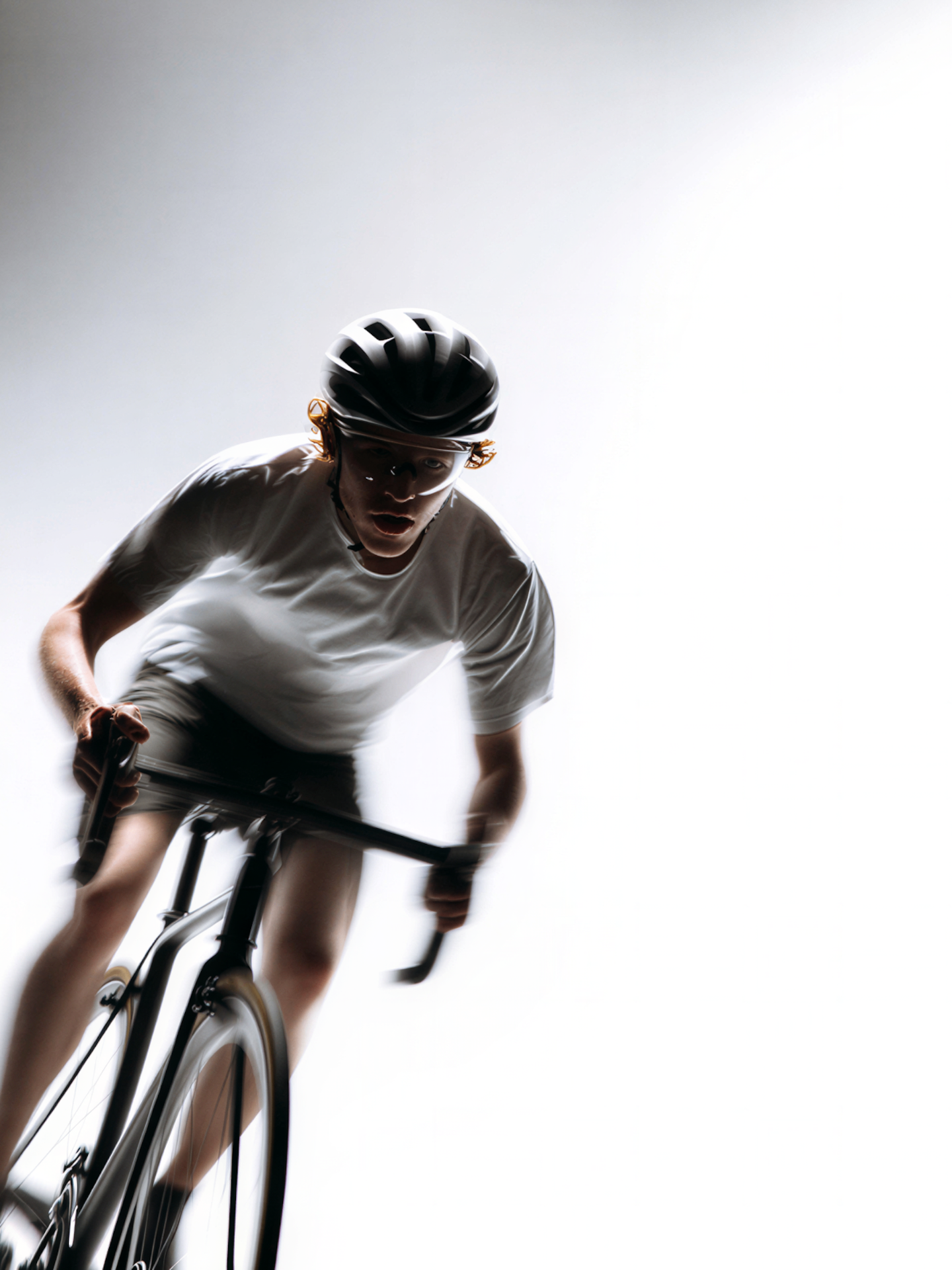
Inside the altitude chamber, oxygen concentration is precisely reduced to simulate elevations of up to several thousand metres. The body responds by improving the efficiency of oxygen delivery and utilisation, two adaptations linked closely to longevity and performance.
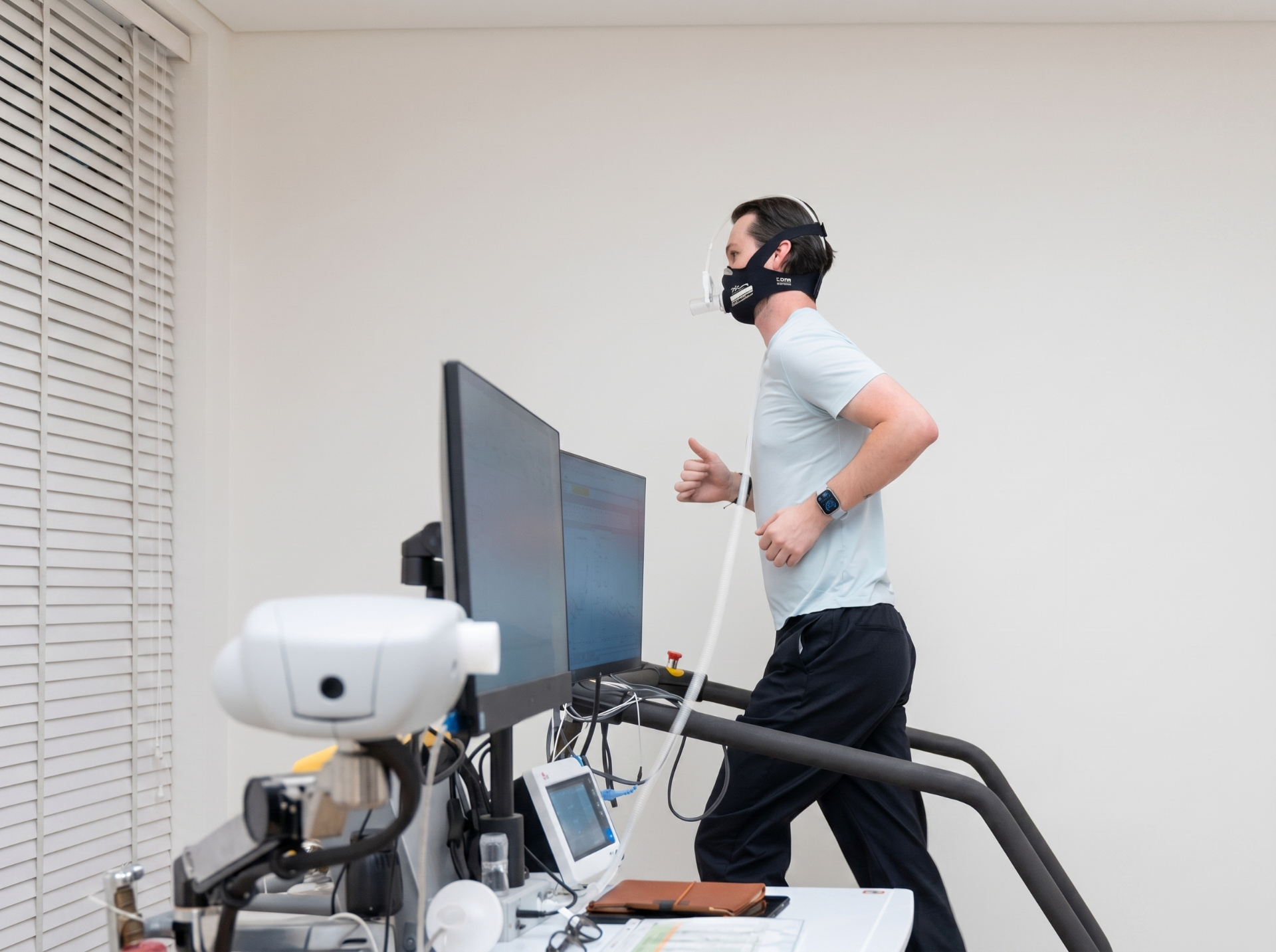
Repeated exposure supports improvements in VO2 max, one of the strongest longevity predictors we measure.
Altitude programmes are personalised to your physiology and goals. Your physician and coach set the elevation, session length and weekly rhythm together.
Builds the engine that underpins both performance and healthy ageing.
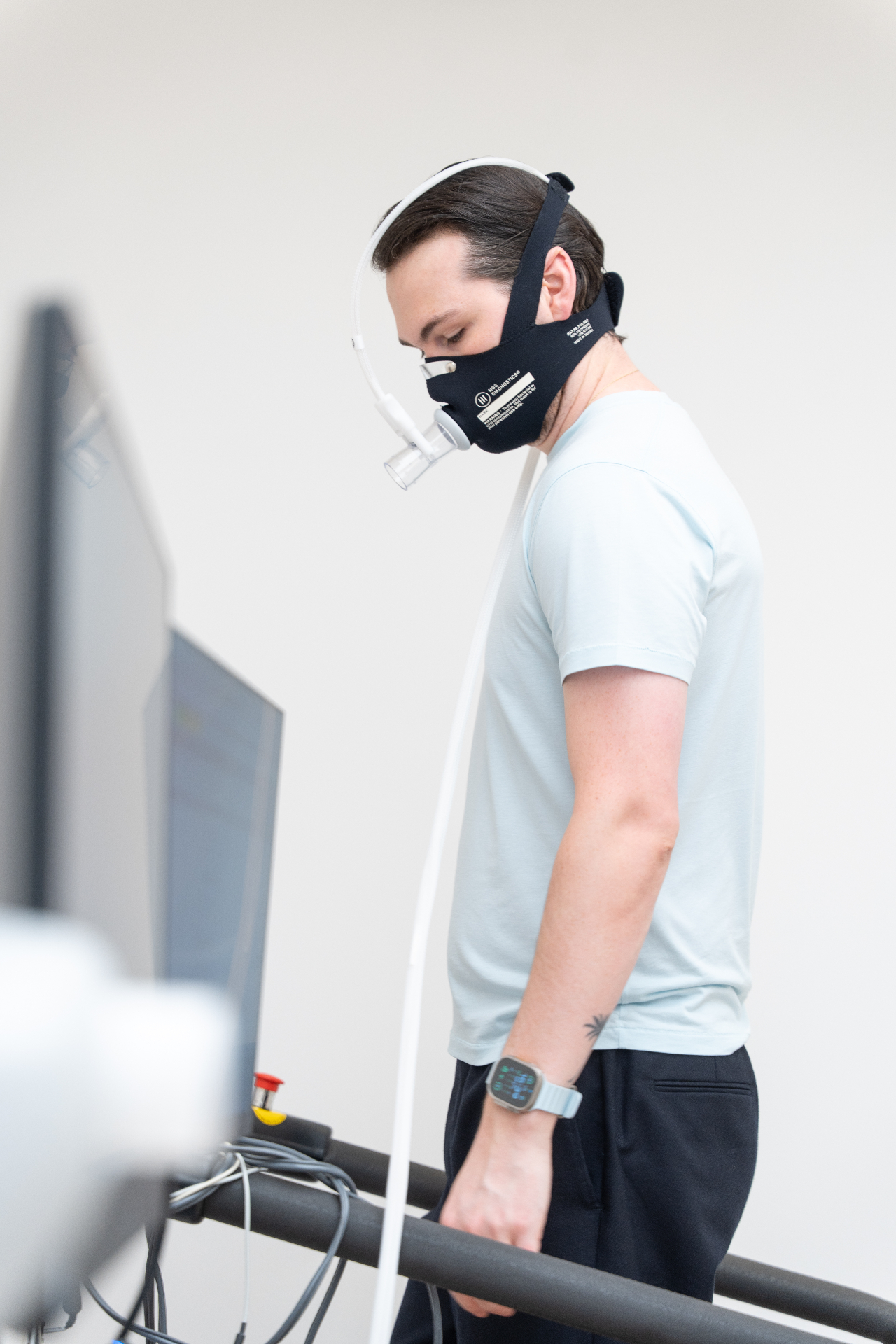
Targets one of the most predictive markers of long-term health.
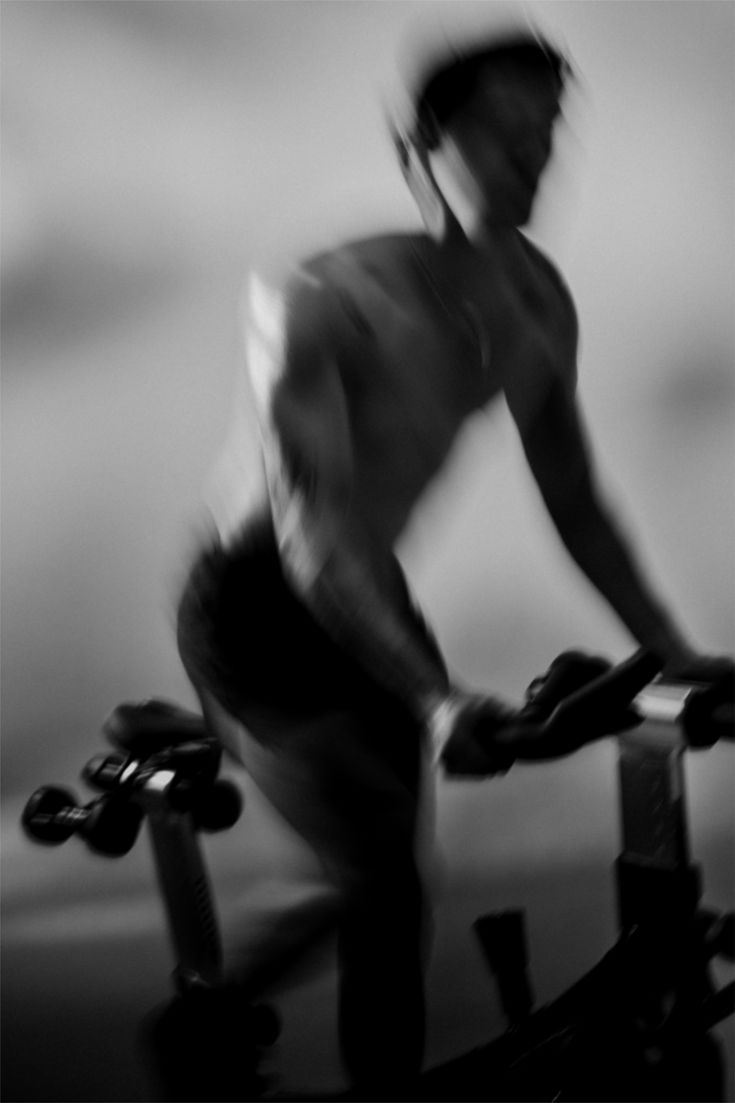
Used by athletes preparing for events that demand sustained output.

Prepares the body for trekking, climbing or living at elevation.
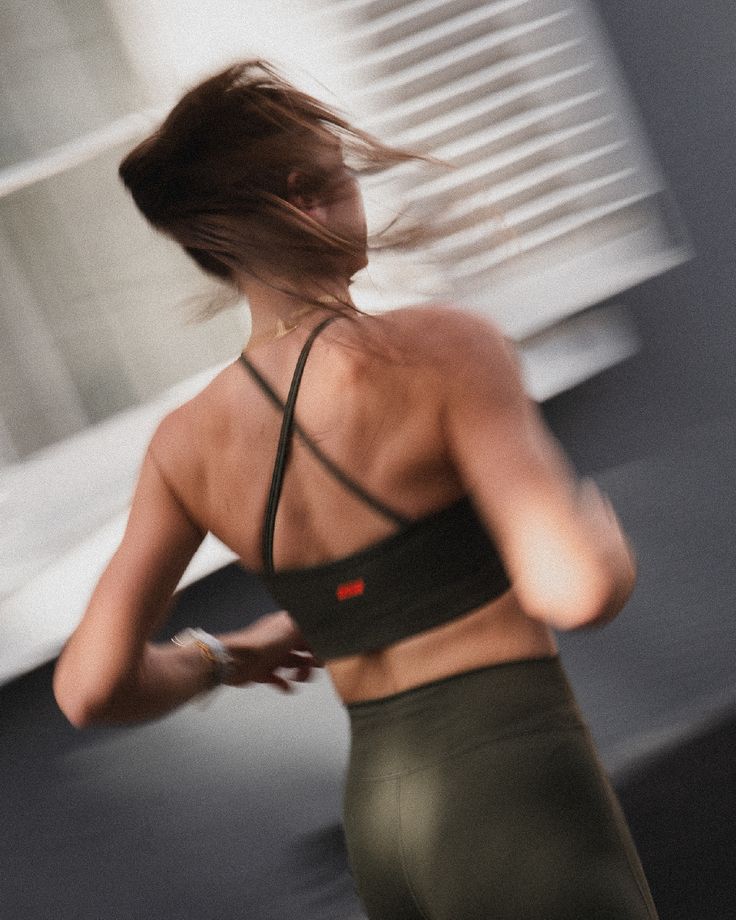
Explored for its effects on insulin sensitivity and metabolic efficiency.
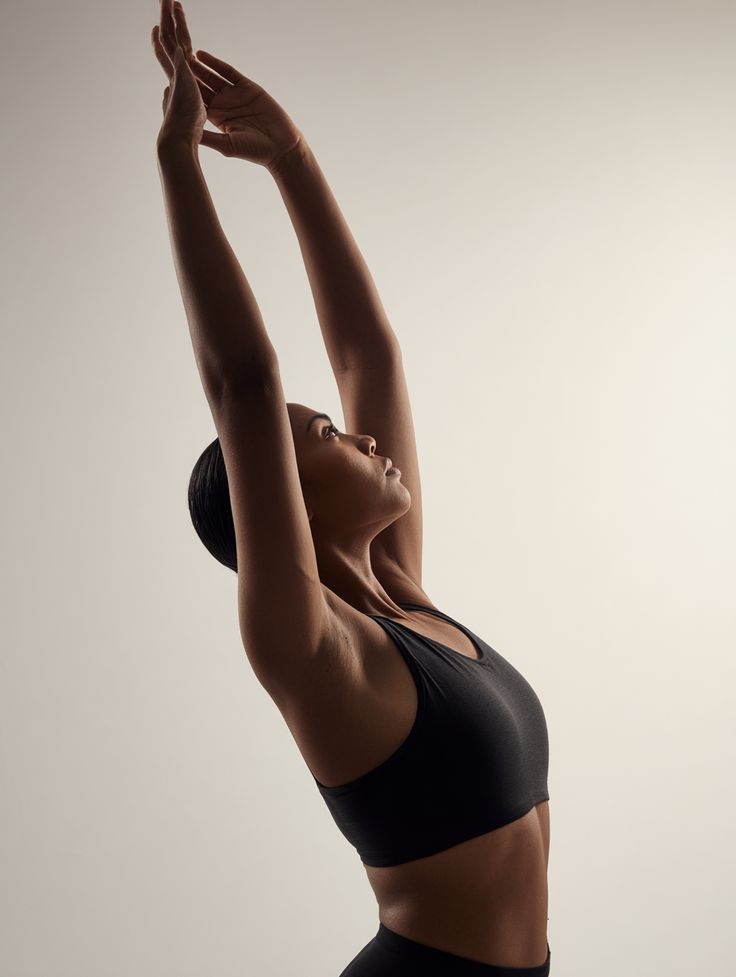
Integrated into long-term plans for clients aiming at the upper end of biological resilience.
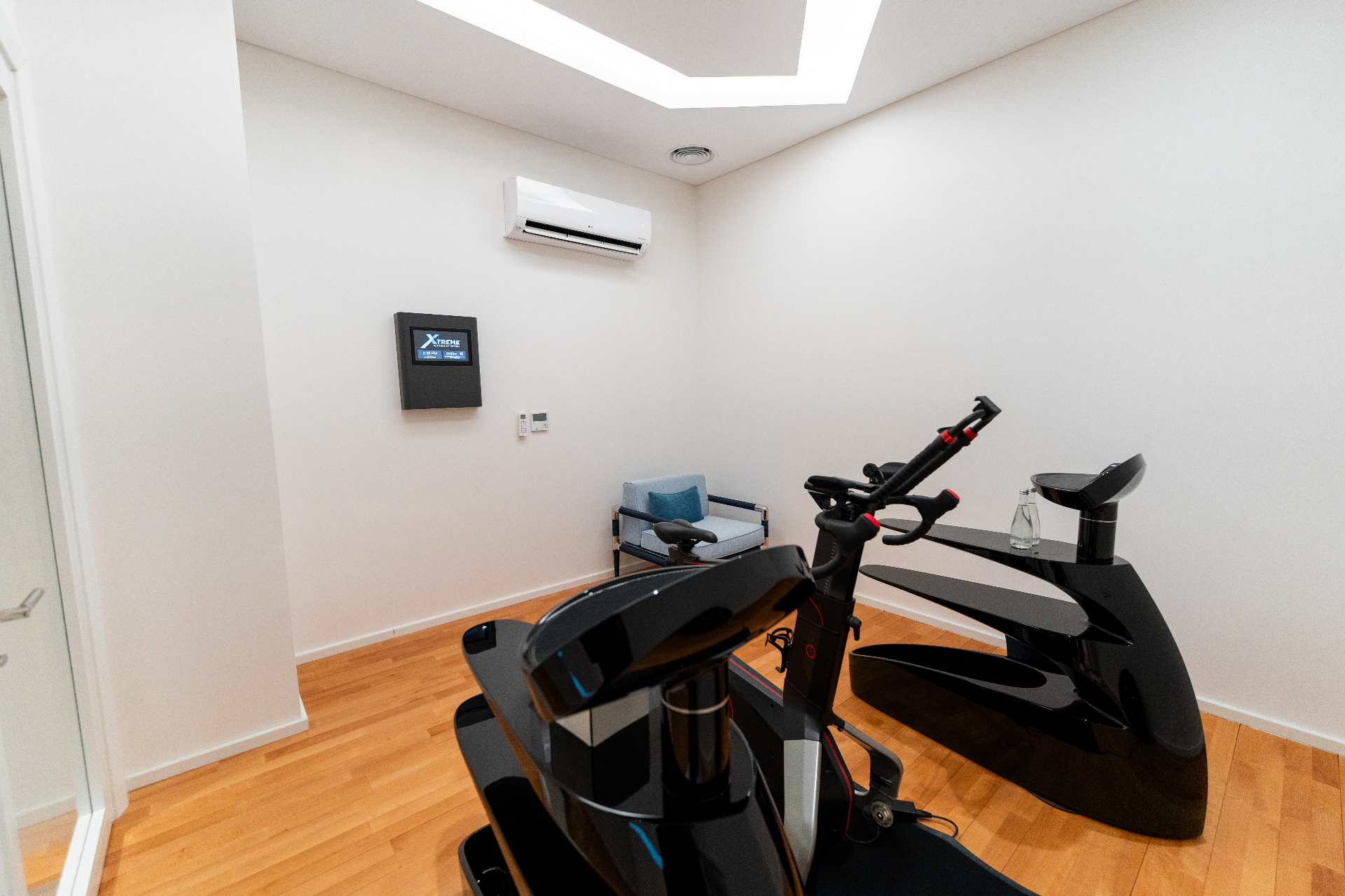
Xtreme Altitude at Lifecore
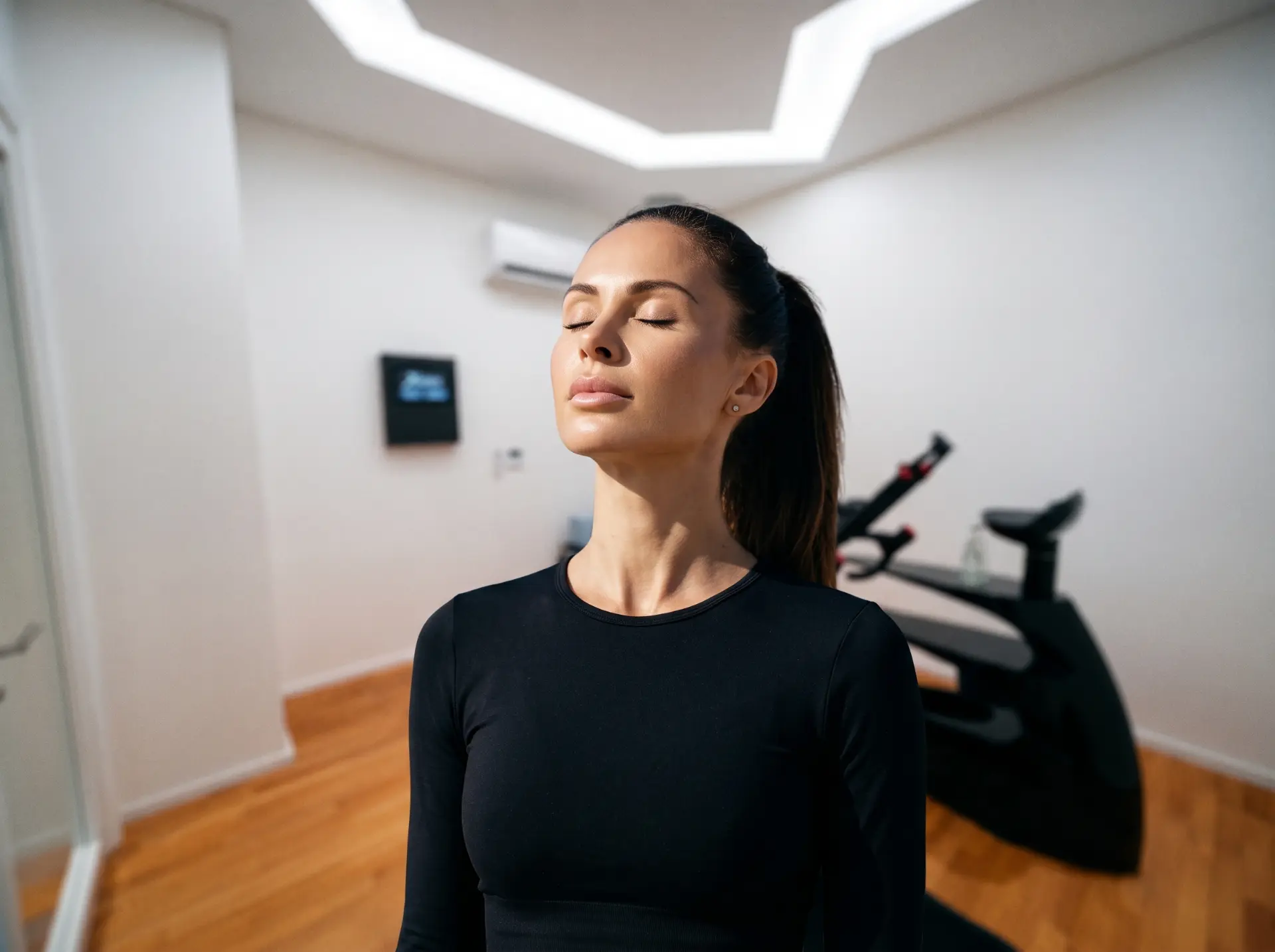
The chamber delivers accurately controlled oxygen concentrations, monitored continuously to keep every session safe and effective.
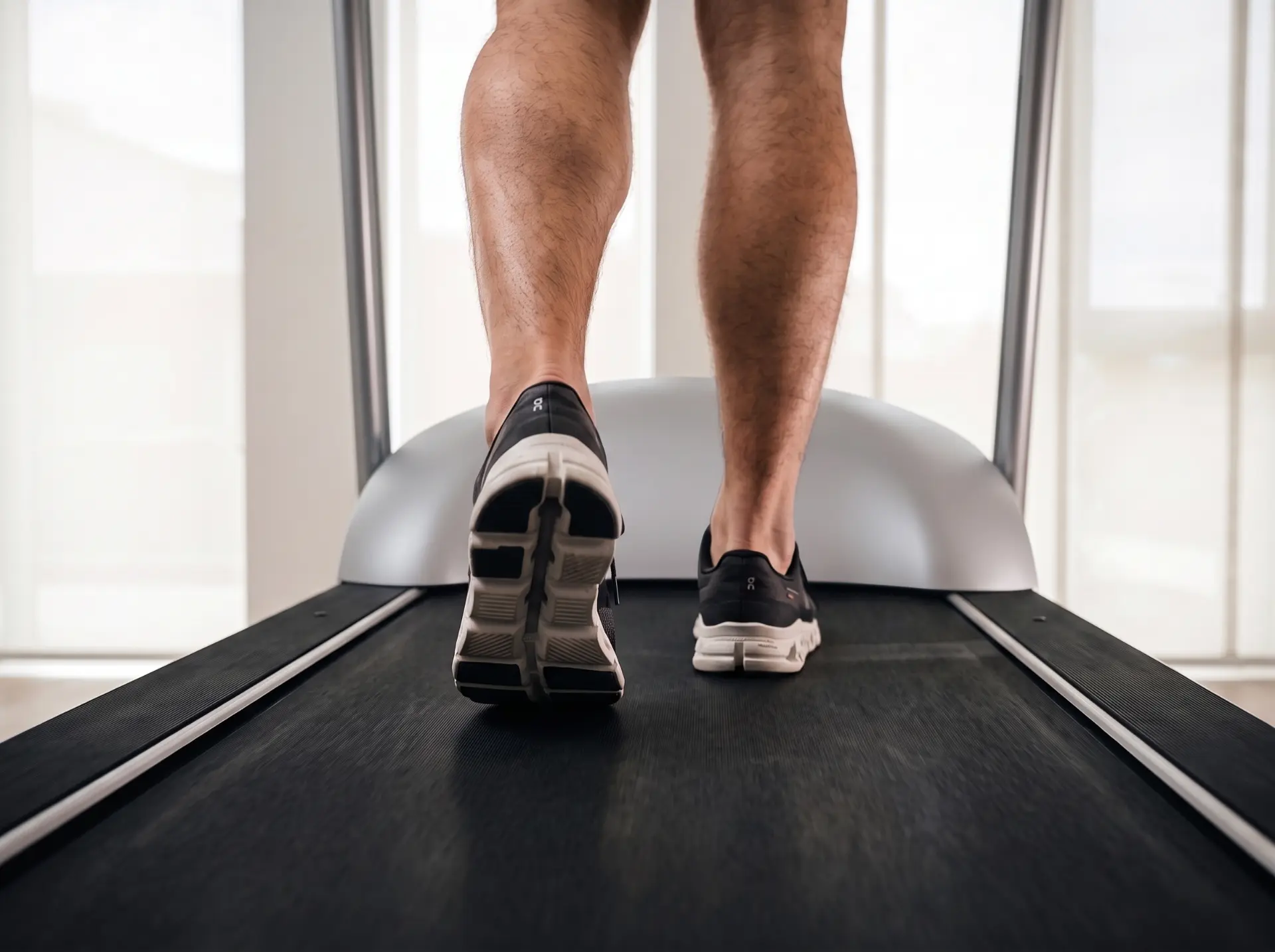
Sessions are led by coaches trained in altitude protocols, with progressive structure rather than improvised effort.
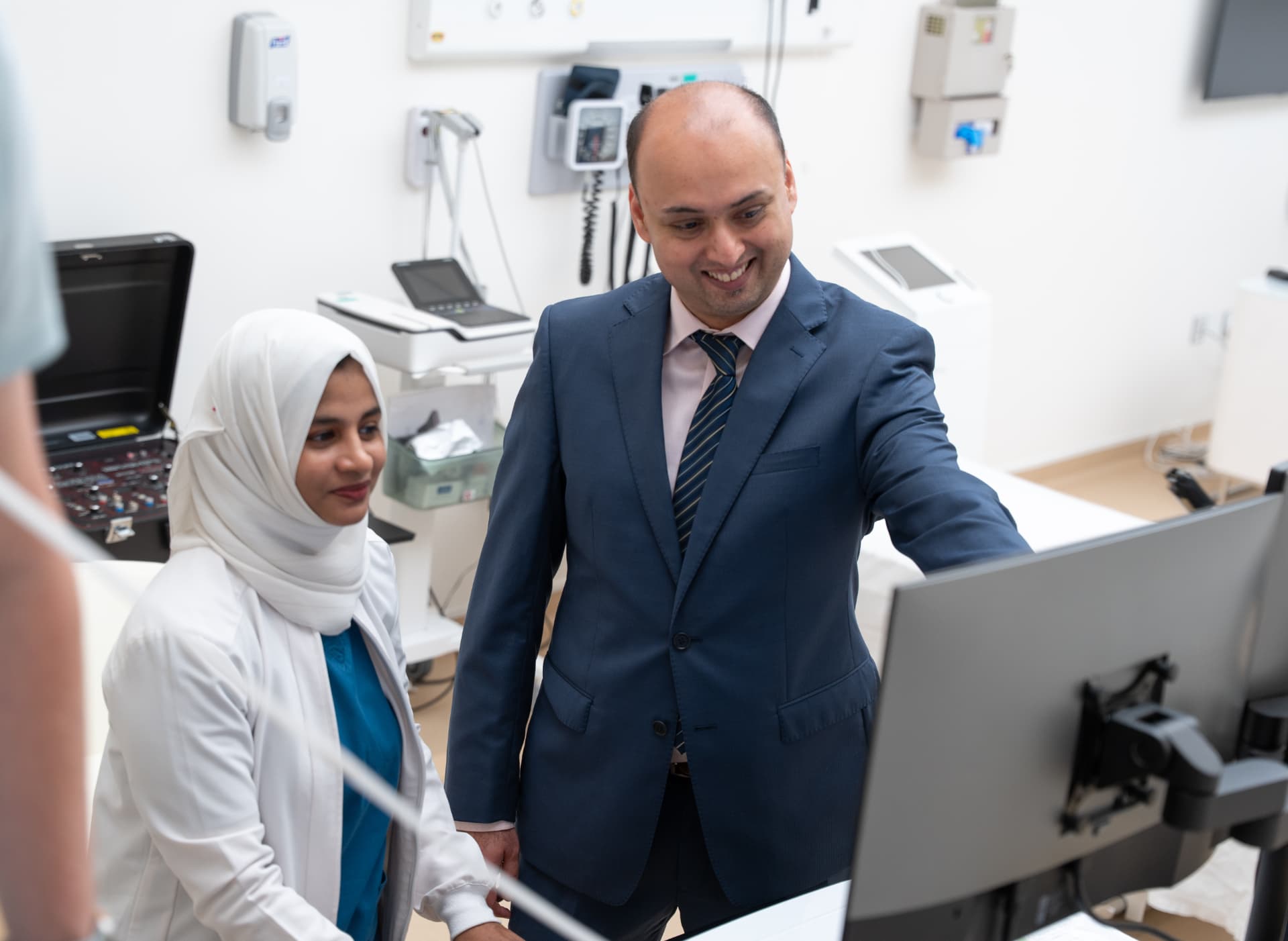
VO2 max, heart rate variability and bloodwork inform your plan, so the work in the chamber tracks back to your physiology.
Altitude training is a serious physiological intervention. At Lifecore, it is treated as one, dosed, supervised and woven into a structured plan.
The chamber sits within a longevity programme, not as a standalone novelty, so each session contributes to outcomes you can see in your data.
A few of the questions our guests ask most often. If you would like to explore something specific, our physicians are happy to talk it through with you.
When supervised, dosed correctly and screened for contraindications, simulated altitude training has a well-characterised safety profile.
Sessions typically last 30 to 60 minutes depending on protocol, with the simulated altitude built up and tapered down gradually.
Cardiorespiratory adaptations build across several weeks of consistent exposure. Subjective improvements in clarity and energy can appear sooner.
No. Altitude training is used across the spectrum, from longevity-focused clients to elite performers preparing for events.
Yes. Many clients overlay altitude sessions on a structured strength and conditioning programme to layer the adaptations.